
Exhibition
HUM: The Symbol of Enlightenment | Kees te Kolsté
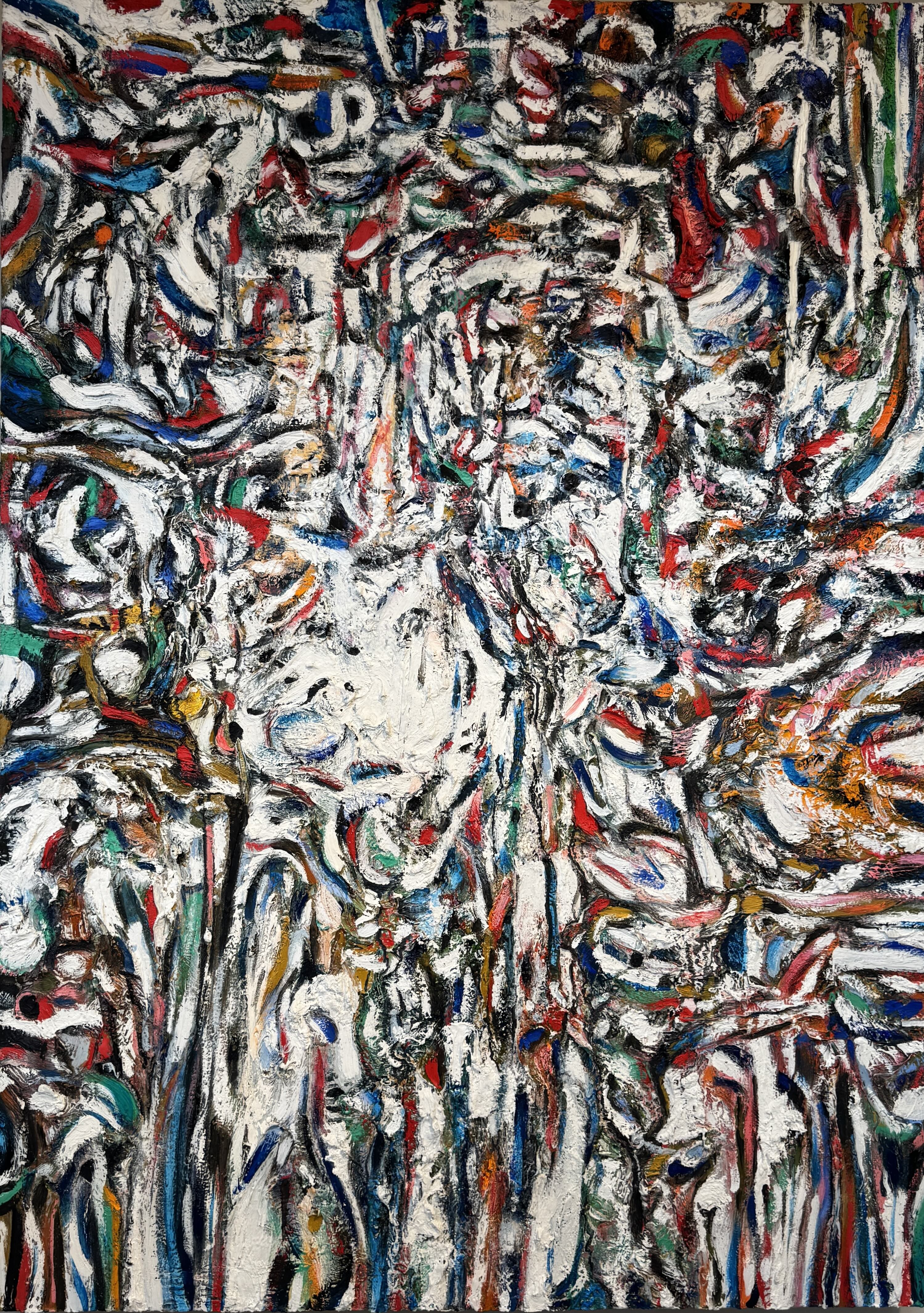
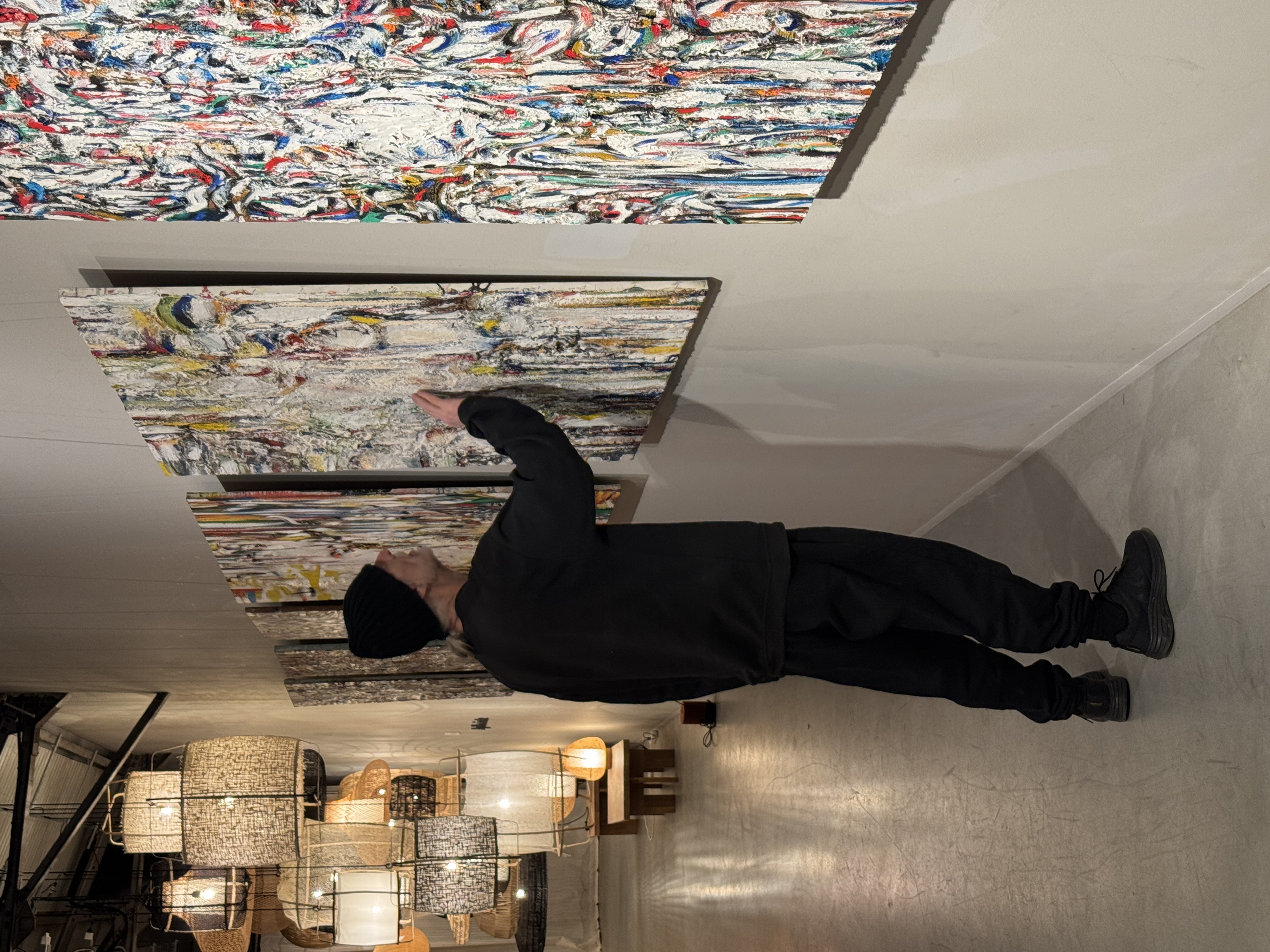
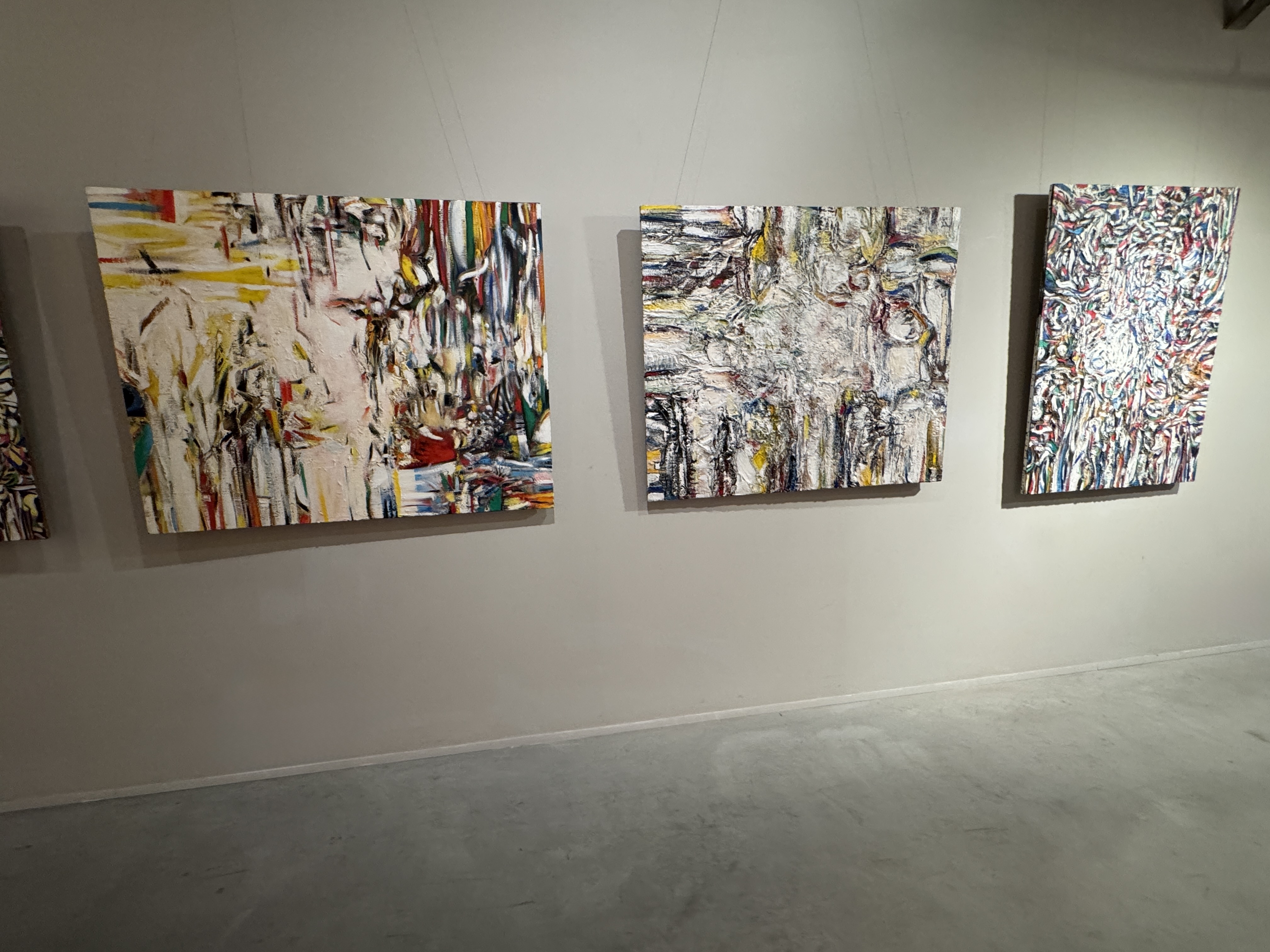
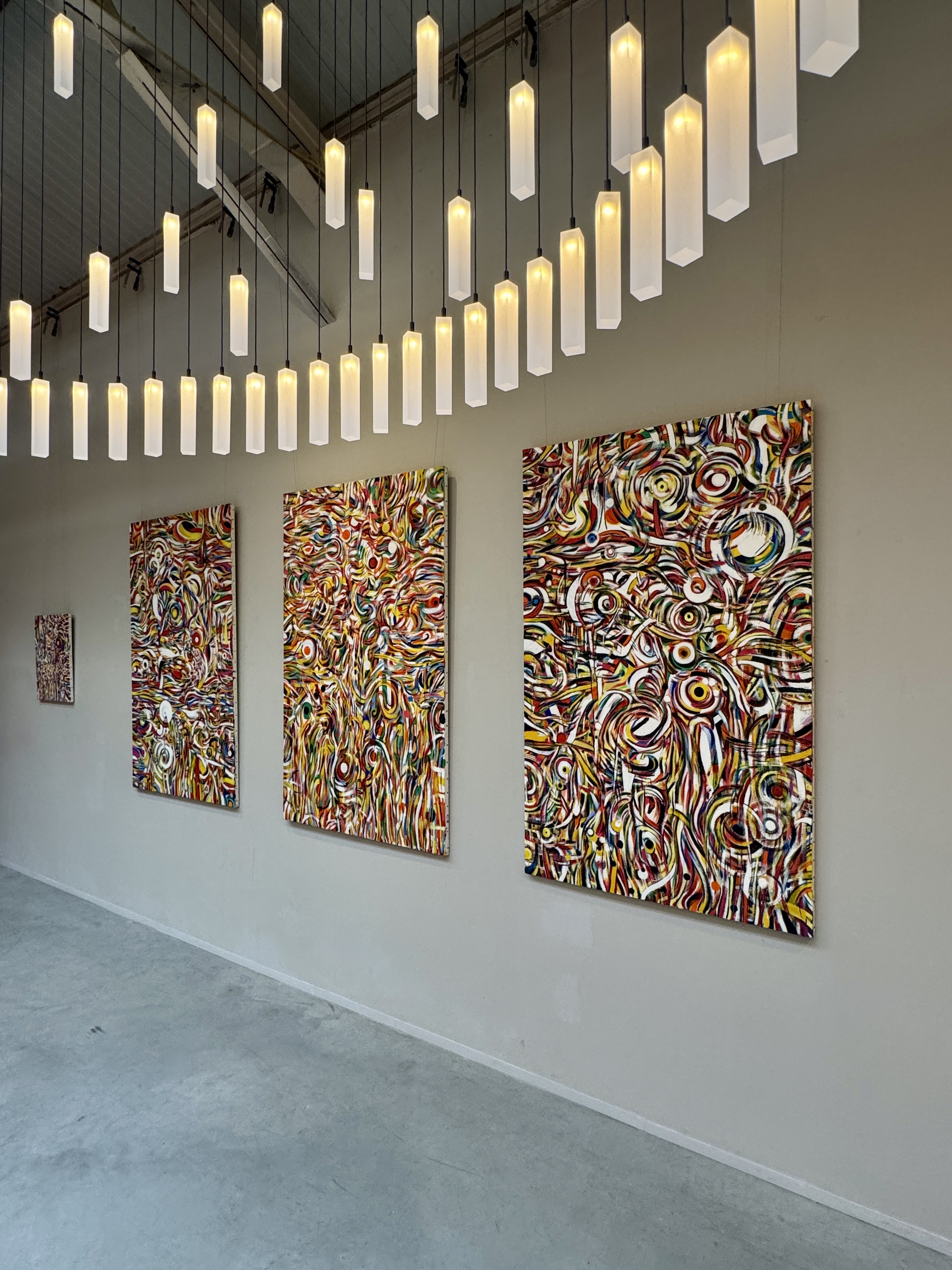
In an era shaped by acceleration, uncertainty, and collective unrest, HUM The Symbol of Enlightenment by Kees te Kolsté offers a moment of stillness. Bringing together two hundred works on paper alongside a selection of the artist’s personal works, the exhibition unfolds as a sustained meditation on presence, discipline, and perception.
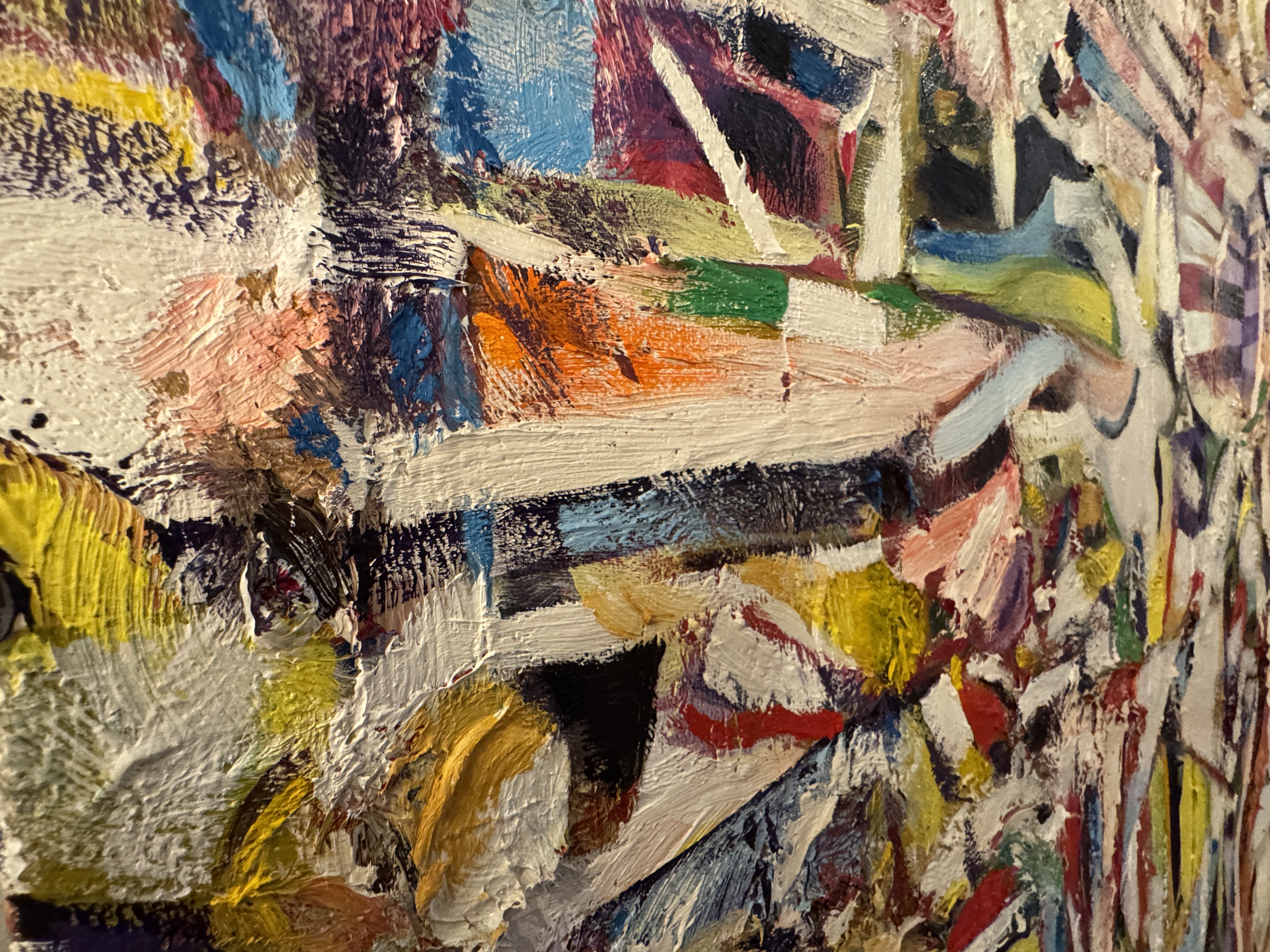
Te Kolsté’s practice is formed by over five decades of artistic devotion and Buddhist meditation. His paintings do not seek to depict the turbulence of the world, nor do they retreat from it. They arise from a place of attention. Each work begins not with a fixed composition but with deep visualization and mindful awareness, allowing the image to emerge through experience rather than intention.
The title HUM refers to the Sanskrit seed syllable हूं, a sacred symbol within Tibetan Buddhist practice. Associated with the unification of body, mind, and wisdom, HUM functions as a point of inner alignment and clarity. It represents continuity beneath fragmentation and coherence beneath change. Within this framework, enlightenment is not understood as an end state or ideal, but as an ongoing quality of awareness. A steady return to presence. A way of inhabiting the moment fully. In this sense, HUM also gestures toward an inward source of well being, suggesting that what is often sought externally, including happiness or luck, may already be found within.
HUM offers no instruction. It offers a pause. An invitation to look without urgency, to feel without judgment, and to reconnect, however briefly, with a grounded sense of presence. In doing so, the exhibition proposes that clarity and compassion do not arise from control, but from attention. From openness. From being.


No items found.

Artworks
No items found.